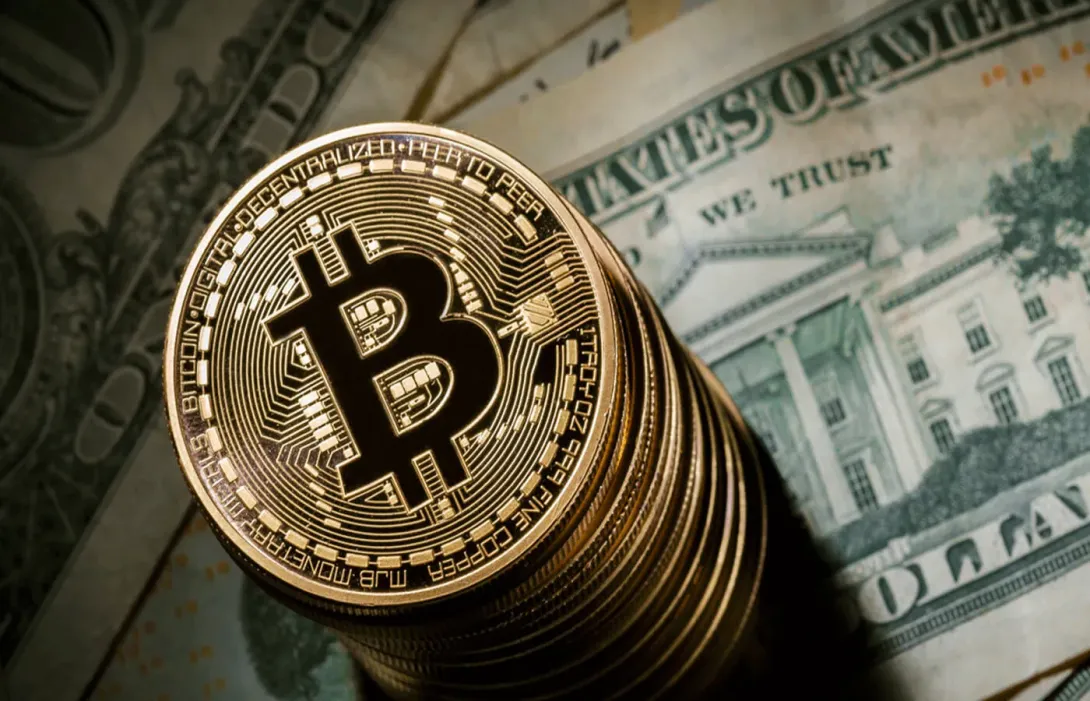
Bitcoin continues to occupy a central role in the global digital asset ecosystem as 2026 unfolds, shaped by rising institutional participation, evolving regulatory frameworks, and shifting macroeconomic conditions. Market sentiment has remained broadly constructive, supported by increased adoption among asset managers and corporate treasuries. At the same time, volatility persists as liquidity cycles and policy expectations influence price behavior. While Bitcoin retains its dominance as the flagship cryptocurrency, competition from alternative blockchain networks and risk assets has intensified. Investors are increasingly viewing Bitcoin less as a speculative instrument and more as a long-duration macro asset within diversified portfolios.
Bitcoin’s Evolving Market Identity in 2026
Bitcoin has transitioned from a purely speculative digital token into a more structurally embedded component of the global financial system. In 2026, its market identity is increasingly defined by institutional integration rather than retail-driven cycles that dominated its earlier years.
Large asset managers, hedge funds, and corporate treasuries have continued to expand exposure, treating Bitcoin as a macro hedge against currency debasement, liquidity expansion, and geopolitical uncertainty. This repositioning has contributed to a more stable demand base, even as short-term price volatility remains a defining feature of the asset class.
Institutional Flows and Market Structure Shifts
A key driver of Bitcoin’s current cycle is the sustained inflow of institutional capital through regulated investment vehicles, including exchange-traded products and structured digital asset funds. This shift has altered market microstructure, reducing reliance on fragmented retail exchanges and increasing sensitivity to macroeconomic indicators such as interest rate expectations and dollar liquidity.
Unlike earlier cycles, price movements are now more closely correlated with global risk sentiment and real yield dynamics. This evolution signals a maturation of Bitcoin’s market behavior, aligning it more closely with traditional macro assets such as gold and long-duration equities.
Regulation and Policy as Market Catalysts
Regulatory clarity across major economies has played a stabilizing role in Bitcoin’s trajectory. Governments have moved toward more defined frameworks governing taxation, custody, and institutional participation. While policy approaches remain uneven globally, the overall direction has reduced systemic uncertainty for large investors.
This regulatory normalization has encouraged deeper participation from traditional financial institutions, particularly those previously constrained by compliance ambiguity. However, regulatory tightening in certain jurisdictions continues to act as a counterweight, periodically influencing liquidity and short-term price action.
Volatility, Cycles, and Investor Behaviour
Despite its growing maturity, Bitcoin continues to exhibit pronounced cyclical volatility. Market corrections remain sharp, often driven by leveraged positioning unwinds and shifts in global liquidity conditions. Nevertheless, each cycle has historically established higher structural price floors, reflecting expanding adoption and reduced supply elasticity.
Investor behaviour has also evolved. Long-term holders now dominate a significant portion of circulating supply, reducing available liquidity and amplifying price sensitivity during demand surges. This structural shift has contributed to a more asymmetric risk-reward profile compared to earlier market phases.
Competitive Landscape and Digital Asset Diversification
While Bitcoin retains its dominance in market capitalisation and brand recognition, the broader digital asset ecosystem has become increasingly competitive. Smart contract platforms, tokenized real-world assets, and decentralized finance infrastructure continue to attract innovation capital.
Still, Bitcoin’s simplicity, security model, and scarcity narrative remain its primary differentiators. It continues to function as the benchmark asset against which alternative cryptocurrencies are evaluated, reinforcing its role as the reserve reference point within the digital economy.
Outlook: A Maturing but Unfinished Asset Class
Looking ahead, Bitcoin’s trajectory is likely to be shaped by the interplay between institutional adoption, regulatory evolution, and global liquidity cycles. While the asset is no longer in its early experimental phase, it has not yet reached full equilibrium within the global financial system.
Its future will depend on whether it can maintain its monetary premium while adapting to increasing integration with traditional markets. For now, Bitcoin remains a hybrid instrument—part macro asset, part technological innovation—operating at the intersection of finance, policy, and digital infrastructure.
Comments