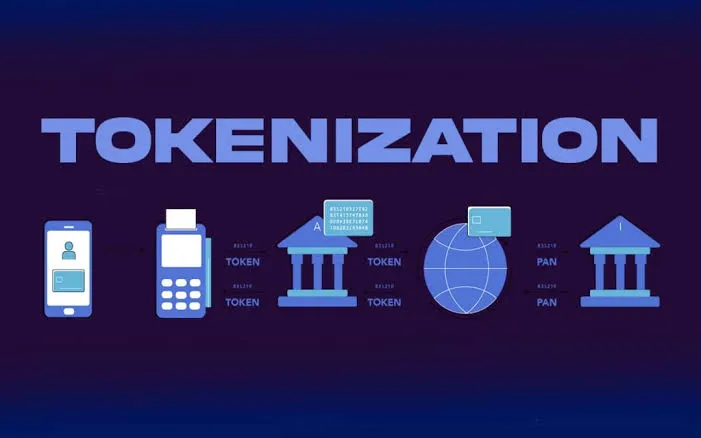
Tokenization is rapidly emerging as one of the most disruptive innovations in global finance, enabling physical and financial assets to be converted into blockchain-based digital tokens. From real estate and equities to commodities and intellectual property, tokenized assets are reshaping ownership structures, increasing market liquidity and expanding investment accessibility. Financial institutions, asset managers and technology firms are accelerating investments in blockchain infrastructure as demand for digital asset integration grows worldwide. Although regulatory uncertainty and cybersecurity concerns remain significant challenges, tokenization is increasingly viewed as a transformative force capable of modernizing capital markets and redefining the future of global asset ownership.
A New Era for Asset Ownership
The global financial system is entering a period of structural transformation as blockchain technology expands beyond cryptocurrencies into mainstream finance. At the center of this evolution is tokenization, a process that converts ownership rights of real-world assets into digital blockchain-based tokens.
Unlike traditional ownership systems that often rely on paper documentation and multiple intermediaries, tokenized assets can be traded digitally with enhanced transparency and efficiency. These tokens act as verifiable representations of ownership, recorded permanently on decentralized blockchain networks.
Financial experts believe tokenization could significantly modernize legacy financial infrastructure by streamlining transactions, reducing administrative costs and improving accessibility for investors worldwide.
The concept is gaining momentum across industries ranging from real estate and fine art to commodities and private equity markets.
Real Estate Leads the Tokenization Movement
Among the sectors experiencing the fastest adoption is real estate. Traditionally, property investment has required substantial capital commitments, limiting participation primarily to wealthy individuals and institutional investors.
Tokenization changes this model by allowing properties to be divided into smaller digital ownership units. Investors can purchase fractional shares of commercial or residential assets without needing to acquire entire properties.
For example, a commercial building valued at several crores of rupees could be converted into thousands of blockchain-based tokens representing partial ownership stakes. Investors from multiple countries may then participate in the asset through digital platforms.
This approach has the potential to improve liquidity in real estate markets, where transactions have historically been slow and capital-intensive. Analysts argue that tokenized property systems may eventually create more efficient and globally accessible investment ecosystems.
Financial Institutions Accelerate Blockchain Integration
Banks, asset management companies and financial technology firms are increasingly exploring tokenized financial products as part of broader digital transformation strategies.
Traditional capital markets often involve delayed settlement periods, extensive documentation and intermediary costs. Blockchain-based tokenization systems can automate many of these processes through smart contracts, enabling faster and more transparent transactions.
Several institutions are testing tokenized bonds, equities and investment funds designed to improve operational efficiency and reduce transaction friction. Supporters believe this technology could eventually reshape how securities are issued, traded and managed globally.
Institutional interest has also intensified due to growing demand for alternative investment structures capable of attracting younger and digitally native investors.
Governments and regulators are now evaluating how tokenized assets should fit within existing financial frameworks, particularly regarding securities laws and investor protection standards.
Regulation and Security Remain Critical Challenges
Despite strong momentum, tokenization continues to face significant regulatory and technological obstacles. Legal definitions surrounding digital ownership rights vary considerably across jurisdictions, creating uncertainty for businesses and investors.
Regulators are particularly focused on compliance issues involving anti-money laundering standards, taxation and securities classification. Without clear international frameworks, large-scale institutional adoption may continue progressing cautiously.
Cybersecurity is another major concern. Smart contract vulnerabilities, hacking incidents and digital infrastructure failures could undermine investor confidence if security systems are not strengthened effectively.
Even so, many industry analysts believe tokenization represents one of the most commercially significant applications of blockchain technology beyond speculative cryptocurrency trading.
As financial systems become increasingly digitized, tokenized assets may fundamentally alter how wealth is created, transferred and invested in the global economy. The long-term impact could extend far beyond finance, influencing ownership models across numerous industries worldwide.
Comments