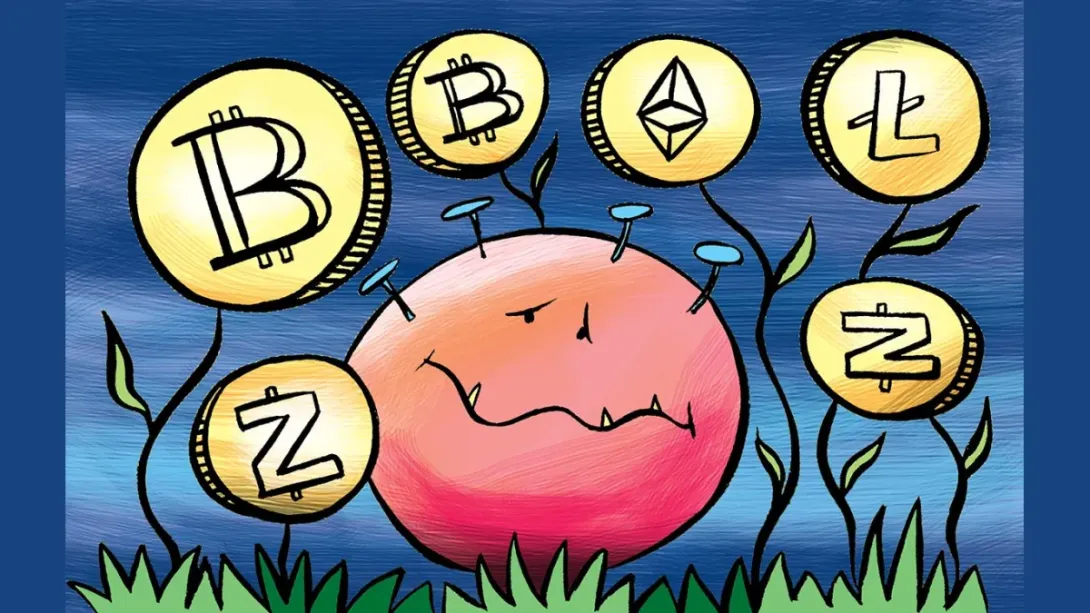
Cryptocurrency trading in 2026 has evolved into a sophisticated financial activity shaped by volatility, global liquidity flows, and institutional participation. Investors are increasingly adopting structured strategies to manage risk and optimize returns rather than relying on speculation. From day trading to long-term holding, each approach requires a clear understanding of market cycles and asset behavior.
Leading cryptocurrencies such as Bitcoin and Ethereum often serve as anchors for diversified portfolios. This guide explores proven trading strategies, risk management techniques, and market insights essential for navigating the dynamic and rapidly evolving crypto landscape.
Understanding the Nature of Crypto Markets
Cryptocurrency markets operate 24/7 and are significantly more volatile than traditional financial markets. Prices can shift rapidly due to macroeconomic developments, regulatory news, or market sentiment.
Unlike equities, digital assets are heavily influenced by liquidity flows and speculative behavior. This makes strategy and discipline essential for consistent performance.
1. Day Trading: Capitalizing on Short-Term Movements
Day trading involves buying and selling cryptocurrencies within a single trading day to profit from small price fluctuations.
Key features:
High-frequency trades
Requires technical analysis skills
Focus on liquidity-rich assets like Bitcoin
Risk factor: High, due to rapid price changes
This strategy is best suited for experienced traders who can monitor markets continuously.
2. Swing Trading: Riding Market Trends
Swing trading focuses on capturing price movements over several days or weeks.
Key features:
Trend-based approach
Moderate time commitment
Effective in volatile markets
Assets like Ethereum and Solana often provide strong trend opportunities.
3. Long-Term Investing (HODLing)
HODLing involves purchasing cryptocurrencies and holding them for an extended period, regardless of short-term volatility.
Key features:
Focus on fundamentals
Lower stress compared to active trading
Suitable for beginners
Investors often choose established assets such as Bitcoin and XRP for this strategy.
4. Scalping: Micro-Profit Strategy
Scalping is an advanced strategy that targets very small price changes multiple times a day.
Key features:
Extremely short holding periods
Requires precision and speed
Relies on high liquidity
While profitable, it demands significant experience and discipline.
5. Diversification: Reducing Risk Exposure
Diversification involves spreading investments across multiple cryptocurrencies to minimize risk.
Example portfolio mix:
40% in large-cap assets (e.g., Bitcoin)
30% in smart contract platforms (e.g., Ethereum)
20% in emerging assets
10% in high-risk speculative tokens
This approach helps balance potential returns with risk management.
6. Technical Analysis: Reading the Market
Successful traders rely on technical indicators such as:
Moving averages
Relative Strength Index (RSI)
Support and resistance levels
These tools help identify entry and exit points, improving decision-making.
7. Risk Management: Protecting Capital
No trading strategy is complete without risk management.
Essential practices:
Set stop-loss orders
Avoid over-leveraging
Invest only what you can afford to lose
Maintain emotional discipline
Capital preservation is more important than aggressive profit-seeking.
8. Impact of Global Events on Crypto Trading
Macroeconomic factors such as interest rates, inflation, and geopolitical tensions significantly influence cryptocurrency markets.
For example:
Rising interest rates may reduce liquidity
Global uncertainty may increase demand for digital assets
Understanding these factors provides a strategic edge.
Conclusion: Strategy Over Speculation
Cryptocurrency trading in 2026 demands a disciplined, strategy-driven approach. While the market offers substantial profit potential, it also carries significant risks.
By combining structured strategies, diversification, and risk management, investors can navigate volatility more effectively. Whether trading actively or holding long-term, success in crypto markets ultimately depends on informed decision-making and consistent execution.
👉 Say “Next” if you want:
Step-by-step crypto investment guide for beginners
Best long-term vs short-term crypto picks
How to build a profitable crypto portfolio 🚀
Comments