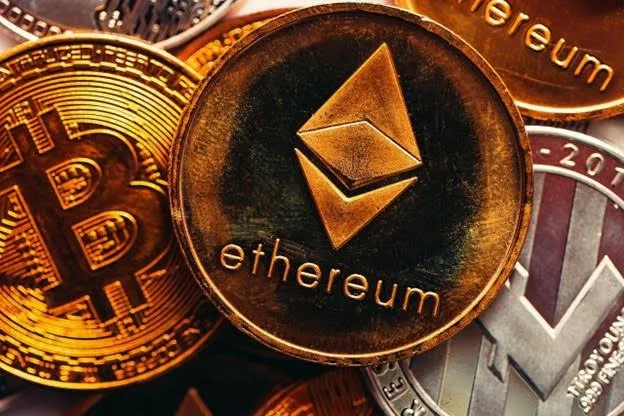
Ethereum has emerged as the foundational blockchain for decentralized applications, smart contracts, and Web3 innovation. In 2026, it continues to dominate as the most widely used programmable blockchain, supporting decentralized finance (DeFi), NFTs, and enterprise-grade applications. Its adaptability and large developer ecosystem make it central to the evolution of digital infrastructure. While scalability and transaction costs were once major concerns, continuous upgrades and layer-two solutions have significantly improved performance. Ethereum now functions as the core settlement layer of the decentralized internet, bridging traditional finance with blockchain-based systems and shaping the future of programmable money.
The Foundation of Smart Contract Innovation
Ethereum fundamentally changed the blockchain landscape by introducing smart contracts—self-executing code that enables trustless transactions without intermediaries. This innovation transformed blockchain from a simple payment system into a programmable financial ecosystem.
Unlike earlier cryptocurrencies that primarily focused on value transfer, Ethereum enables developers to build decentralized applications across finance, gaming, identity systems, and supply chain infrastructure.
Its versatility has made it the backbone of Web3, often described as the “operating system of decentralized finance.”
Developer Ecosystem and Network Effects
One of Ethereum’s strongest competitive advantages is its massive global developer community. Thousands of decentralized applications run on its network, creating powerful network effects that reinforce its dominance.
This ecosystem includes decentralized exchanges, lending protocols, stablecoin platforms, and tokenized asset systems. As more applications are built, the network becomes increasingly valuable, attracting even more developers and capital.
This self-reinforcing cycle has made Ethereum extremely difficult to displace, even with the emergence of faster blockchain competitors.
Scalability Evolution and Technical Upgrades
Historically, Ethereum struggled with congestion and high transaction fees during periods of heavy network activity. These limitations restricted its usability for smaller transactions and mass adoption.
However, major protocol upgrades and the expansion of layer-two scaling solutions have significantly improved throughput and reduced costs. These improvements allow transactions to be processed off-chain while maintaining Ethereum’s security guarantees.
As a result, Ethereum has become more efficient, scalable, and suitable for large-scale commercial applications.
Institutional Adoption and Financial Integration
Ethereum is increasingly being recognized by institutional investors not just as a cryptocurrency, but as a technology infrastructure asset. Its role in decentralized finance has positioned it as a critical layer in tokenized financial markets.
Financial institutions are exploring Ethereum-based systems for settlement, asset issuance, and automated compliance processes. This reflects a broader shift toward blockchain integration within traditional finance.
Competition and Market Positioning
Despite strong competition from high-speed blockchains, Ethereum maintains its leadership due to its maturity, security, and ecosystem depth. Competing networks may offer faster transactions, but they often lack Ethereum’s established developer base and liquidity concentration.
This network dominance continues to support its long-term relevance in the blockchain industry.
Outlook
Ethereum’s future will be defined by scalability improvements, regulatory clarity, and continued ecosystem expansion. As blockchain adoption accelerates globally, Ethereum is expected to remain a central infrastructure layer for decentralized applications and digital financial systems.
Comments