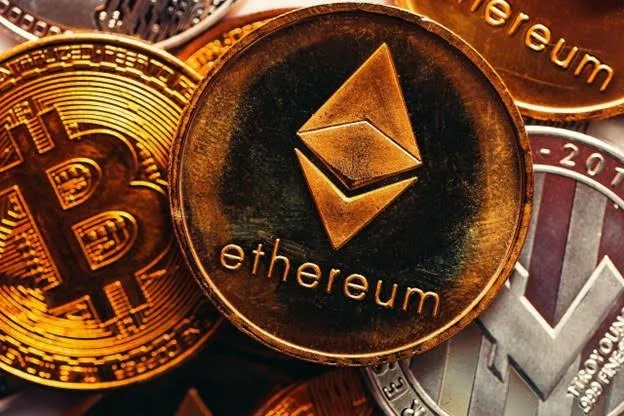
Ethereum remains one of the most influential blockchain networks in 2026, serving as the foundation for decentralized finance, non-fungible tokens, blockchain gaming, and Web3 applications. While Bitcoin dominates as a store of value, Ethereum continues to lead in programmable blockchain infrastructure through its smart contract ecosystem. The network’s ongoing focus on scalability, lower transaction costs, and energy efficiency has strengthened its position amid rising competition from alternative chains. However, Ethereum still faces challenges related to network congestion, regulatory scrutiny, and ecosystem fragmentation. As institutional adoption of blockchain technology grows, Ethereum is increasingly viewed as critical infrastructure for the future digital economy.
Ethereum’s Expanding Role in the Blockchain Economy
Ethereum has evolved far beyond its origins as a cryptocurrency platform. In 2026, it functions as one of the primary infrastructures supporting decentralized applications and blockchain-based financial systems.
Developers continue to rely on Ethereum for building decentralized finance platforms, NFT ecosystems, tokenized assets, and blockchain gaming projects. Its programmable architecture has made it one of the most versatile blockchain networks in the global digital asset market.
This utility-driven ecosystem differentiates Ethereum from purely payment-focused cryptocurrencies.
Smart Contracts Drive Innovation
The core innovation behind Ethereum remains smart contracts—self-executing digital agreements that operate without intermediaries. These programmable contracts have transformed how financial services and digital applications function on blockchain networks.
Smart contracts are now used across lending protocols, insurance systems, decentralized exchanges, and tokenized asset platforms. Their ability to automate transactions and reduce dependency on centralized institutions continues to attract developers and investors alike.
Ethereum’s leadership in this area has helped establish it as the backbone of decentralized finance.
Scalability Improvements and Network Upgrades
Scalability remains one of Ethereum’s most important priorities in 2026. Historically, high network activity often resulted in elevated transaction fees and slower processing times.
To address these challenges, Ethereum developers have expanded layer-2 scaling solutions and network optimization technologies designed to improve transaction efficiency.
These upgrades are intended to support larger user bases while maintaining decentralization and network security. Improved scalability is also critical for broader institutional adoption and mainstream consumer usage.
Institutional Interest Continues to Grow
Institutional participation in Ethereum has increased significantly as blockchain technology becomes more integrated into financial markets and enterprise systems.
Large financial institutions are exploring Ethereum-based tokenization projects involving digital bonds, real estate, and financial instruments. The network’s ability to support programmable assets has strengthened its appeal among businesses seeking blockchain integration.
Institutional investors are increasingly viewing Ethereum not just as a cryptocurrency, but as foundational digital infrastructure.
Competition From Alternative Blockchains
Despite its dominance, Ethereum faces strong competition from newer blockchain networks focused on speed, scalability, and lower fees.
Several rival ecosystems are attempting to attract developers and users by offering faster transaction processing and more cost-efficient infrastructure. This competitive environment is pushing Ethereum to accelerate innovation and ecosystem expansion.
However, Ethereum retains a significant advantage due to its large developer community, deep liquidity, and established network effects.
Regulatory Pressures and Compliance Concerns
As decentralized finance expands, Ethereum is attracting increased attention from regulators worldwide. Authorities are examining areas such as token issuance, decentralized exchanges, and compliance standards within blockchain ecosystems.
The challenge for regulators lies in balancing innovation with investor protection and financial stability. Regulatory outcomes could significantly influence the future growth trajectory of Ethereum-based applications.
Clearer compliance frameworks may ultimately encourage broader institutional participation.
Ethereum and the Future of Web3
Ethereum remains central to the broader vision of Web3—a decentralized internet where users maintain greater control over digital identity, assets, and online interactions.
From decentralized social media platforms to blockchain gaming ecosystems and virtual economies, Ethereum continues to play a foundational role in shaping next-generation digital experiences.
Although the Web3 concept is still evolving, Ethereum’s infrastructure remains one of its most critical components.
The Long-Term Outlook for Ethereum
Ethereum’s future will likely depend on its ability to maintain scalability, developer engagement, and regulatory adaptability in an increasingly competitive blockchain environment.
Its transition from a cryptocurrency platform into a global decentralized computing ecosystem marks one of the most important technological shifts in digital finance.
In 2026, Ethereum is no longer simply an altcoin—it is increasingly viewed as a programmable economic network with the potential to influence finance, technology, and digital ownership on a global scale.
Comments