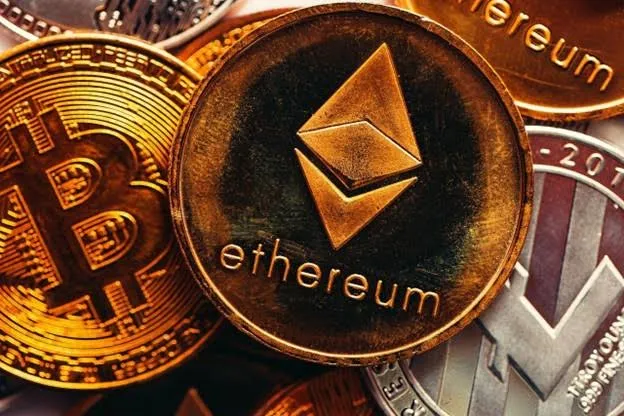
Ethereum remains a cornerstone of the global cryptocurrency ecosystem in 2026, powering decentralized finance, NFTs, and a rapidly expanding Web3 infrastructure. As the most widely used smart contract platform, Ethereum continues to attract developers, enterprises, and institutional capital. However, persistent challenges around scalability, transaction costs, and competition from faster blockchains have intensified pressure on its evolution. With ongoing upgrades and layer-2 solutions improving efficiency, Ethereum is striving to balance decentralization with performance. Its trajectory reflects a broader industry shift toward utility-driven growth, positioning it as both a leader and a platform under transformation.
Market Leadership and Ecosystem Strength
Ethereum holds a dominant position as the leading smart contract blockchain, second only to Bitcoin in overall market capitalization. Its ecosystem is vast, encompassing decentralized exchanges, lending platforms, gaming applications, and NFT marketplaces.
In 2026, Ethereum continues to benefit from strong network effects. Developers overwhelmingly prefer its infrastructure due to its maturity, security, and extensive tooling. This has created a self-reinforcing cycle where innovation attracts more users, which in turn drives further development.
Institutional adoption has also increased, with enterprises leveraging Ethereum for tokenization, digital assets, and blockchain-based solutions.
The Scalability Challenge
Despite its leadership, Ethereum has long faced criticism over scalability. High transaction fees and network congestion have historically limited its usability, particularly during peak demand.
To address this, Ethereum has embraced a multi-layered approach. Layer-2 solutions—such as rollups—are now handling a significant share of transactions, reducing costs and improving speed without compromising security.
These advancements are gradually transforming Ethereum into a more efficient and accessible network, though challenges remain in achieving seamless user experience across layers.
Transition to Efficiency and Sustainability
Ethereum’s shift from proof-of-work to proof-of-stake marked a significant milestone in its evolution. This transition has dramatically reduced energy consumption, addressing one of the most persistent criticisms of blockchain technology.
The new model also enhances network security and introduces staking as a mechanism for earning rewards, attracting long-term investors and participants.
As environmental concerns continue to influence investment decisions, Ethereum’s sustainability improvements have strengthened its appeal among institutional players.
Competition from Emerging Blockchains
Ethereum’s dominance is increasingly being challenged by newer blockchains offering faster speeds and lower fees. Platforms like Solana, Avalanche, and others are competing aggressively for developer attention and user adoption.
While these networks provide strong alternatives, Ethereum’s established ecosystem and first-mover advantage remain difficult to replicate. The key question is whether Ethereum can scale quickly enough to retain its leadership.
The competitive landscape is pushing Ethereum to innovate continuously, ensuring it remains relevant in a rapidly evolving market.
Investment Outlook and Market Sentiment
Ethereum is widely regarded as a long-term investment tied to the growth of decentralized applications and Web3. Its value is closely linked to network activity, adoption rates, and technological progress.
However, like all cryptocurrencies, it remains subject to market volatility and macroeconomic influences. Regulatory developments and technological breakthroughs can significantly impact investor sentiment.
For many investors, Ethereum represents a balance between innovation and relative stability within the crypto space.
Conclusion: A Platform Defining the Future of Digital Economies
Ethereum’s journey in 2026 reflects both its achievements and its challenges. As the backbone of Web3, it continues to enable a new generation of decentralized applications and financial systems.
While scalability and competition remain critical hurdles, ongoing upgrades and ecosystem growth suggest a strong foundation for the future.
In an industry defined by rapid change, Ethereum stands as a testament to the power of innovation—evolving continuously to meet the demands of a digital-first economy.
Comments