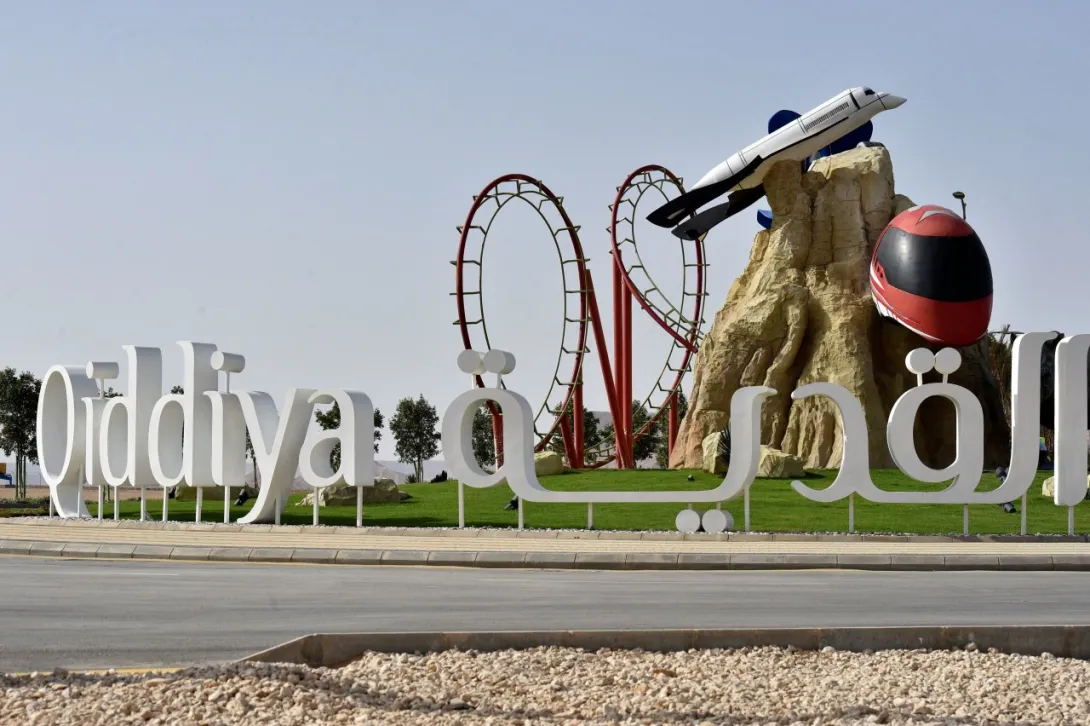
Saudi Arabia has unveiled a landmark entertainment milestone with the launch of record-setting attractions at Qiddiya City, underscoring its strategic push into global tourism. The Falcons Flight roller coaster—now the world’s fastest, tallest, and longest—anchors the development, reaching speeds of 155 miles per hour. Complementing it is the Sirocco Tower, the tallest drop-tower ride globally. These attractions signal a broader economic diversification effort aimed at reducing dependence on oil revenues. By investing in world-class leisure infrastructure, the Kingdom seeks to attract international visitors, stimulate domestic tourism, and position itself as a premier destination in the global entertainment economy.
A Transformational Leap in Entertainment Infrastructure
Saudi Arabia has taken a decisive step toward redefining its global economic identity with the unveiling of cutting-edge attractions at Qiddiya City. Situated near the dramatic Tuwaiq Mountains, the development is emerging as a flagship project in the Kingdom’s long-term strategy to diversify its economic base.
At the center of attention is the Falcons Flight roller coaster, an engineering marvel that pushes the boundaries of speed, height, and scale. The ride accelerates to 155 miles per hour, establishing itself as the fastest roller coaster in the world. Its extensive track length and towering elevation further reinforce its record-breaking status.
The project’s launch marks a pivotal moment in Saudi Arabia’s transition toward a more tourism-driven economy.
Engineering Innovation Meets Natural Landscape
Falcons Flight is designed to deliver a high-impact sensory experience, combining advanced engineering with the rugged beauty of the surrounding terrain. Riders are propelled up a red-rock cliff, offering sweeping views before plunging through a tunnel and accelerating over a signature camelback hill.
This integration of natural geography into ride design reflects a broader evolution in the global theme park industry, where immersive environments are increasingly prioritized alongside technological innovation.
Nearby, the Sirocco Tower adds another layer of distinction. As the tallest drop-tower ride globally, it enhances the destination’s appeal, offering a vertical thrill experience that complements the horizontal velocity of the roller coaster.
Together, these attractions create a compelling value proposition for both domestic and international visitors.
Strategic Economic Diversification Through Tourism
The development of Qiddiya City aligns closely with Saudi Arabia’s broader economic transformation agenda. With global energy markets subject to volatility, the Kingdom has been actively investing in non-oil sectors, with tourism and entertainment at the forefront.
Large-scale projects like Qiddiya are designed to generate sustainable revenue streams, create employment opportunities, and stimulate ancillary industries such as hospitality, retail, and transportation.
By introducing globally competitive attractions, Saudi Arabia aims to capture a share of the rapidly growing experiential tourism market, which prioritizes unique and memorable experiences over traditional travel offerings.
Global Positioning and Competitive Advantage
In an industry dominated by established players in North America, Europe, and parts of Asia, Saudi Arabia’s approach is both ambitious and strategic. Rather than incremental development, the Kingdom is pursuing a “leapfrog” strategy—entering the market with record-breaking attractions that immediately command global attention.
This approach not only enhances brand visibility but also accelerates the destination’s credibility among international travelers. The association with globally recognized operators further strengthens operational expertise and market positioning.
By setting new benchmarks in scale and innovation, Qiddiya City is positioning itself as a destination capable of competing at the highest levels of the global entertainment industry.
Economic Impact and Investment Dynamics
From a financial perspective, the Qiddiya project represents a significant capital investment with long-term growth potential. Revenue streams are expected to be diversified, encompassing ticket sales, hospitality services, retail operations, and real estate development.
The economic multiplier effect of such projects can be substantial. Increased tourism inflows can boost local economies, generate employment, and attract foreign investment.
However, the success of the venture will depend on sustained visitor engagement, efficient operations, and the ability to adapt to evolving consumer preferences in the global leisure market.
Challenges and Sustainability Considerations
Despite its strong potential, the project faces several challenges. Maintaining consistent visitor volumes, managing operational costs, and addressing environmental concerns will be critical to long-term success.
Sustainability, in particular, is becoming an increasingly important factor in large-scale developments. Efficient resource management and environmentally responsible practices will be essential in ensuring that growth does not come at the expense of ecological balance.
Additionally, global economic conditions and travel trends will play a role in shaping demand dynamics.
Conclusion
The launch of Falcons Flight and the Sirocco Tower at Qiddiya City represents more than just an expansion of entertainment offerings—it signals a strategic shift in Saudi Arabia’s economic trajectory.
By investing in world-class attractions and infrastructure, the Kingdom is positioning itself as a key player in the global tourism and entertainment landscape. While challenges remain, the scale and ambition of the project underscore a clear vision: to transform Saudi Arabia into a leading destination for experiential travel.
As the global tourism industry continues to evolve, Qiddiya City stands as a bold example of how strategic investment and innovation can redefine a nation’s economic future.
Comments