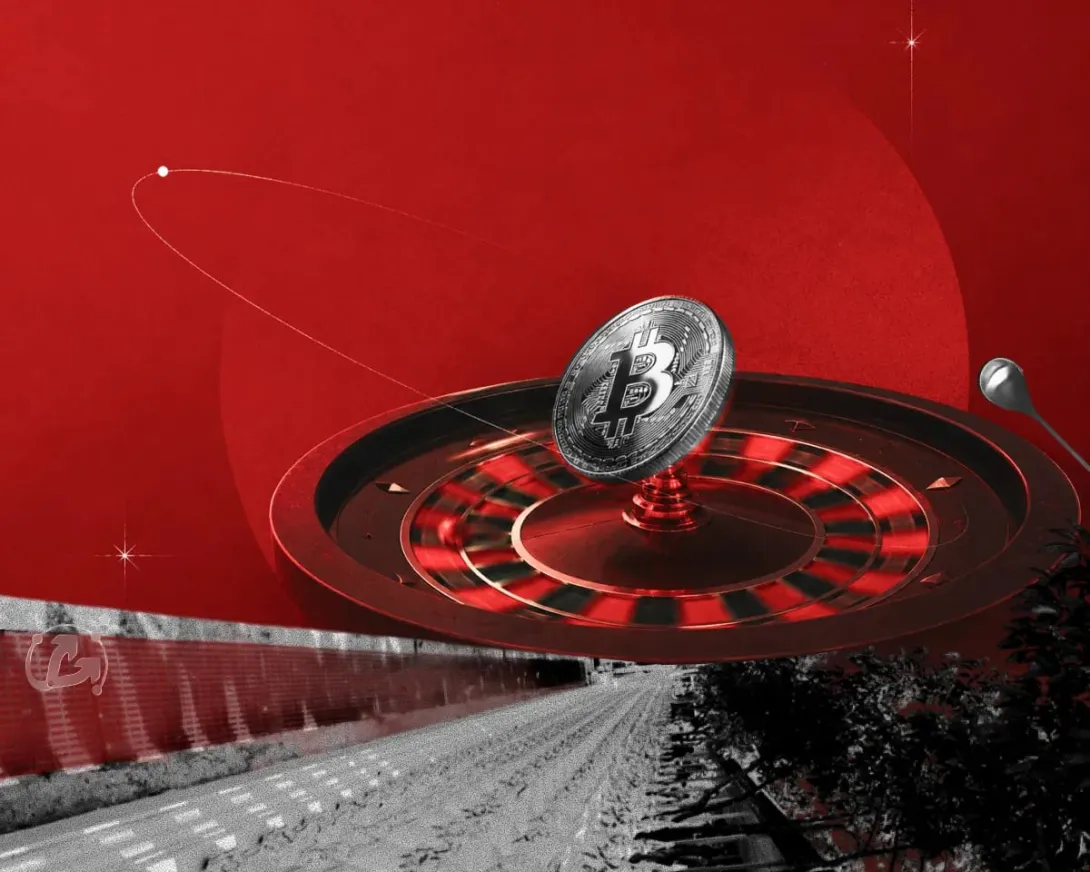
The cryptocurrency market is undergoing a significant structural transformation as leveraged derivatives increasingly dominate trading activity. In April 2026, spot trading volumes on digital asset exchanges fell to their lowest level since November 2023, while derivatives accounted for a record 77.1 percent of total market turnover. The trend highlights a growing preference for perpetual futures contracts, instruments that allow traders to speculate with leverage without owning the underlying assets. Beyond market mechanics, experts suggest that behavioral psychology is playing a crucial role, as these products increasingly resemble high-engagement speculative environments that encourage continuous participation and risk-taking.
Derivatives Take Center Stage in the Crypto Economy
The balance of power within cryptocurrency markets is shifting rapidly. While spot trading—the direct buying and selling of digital assets—has historically served as the foundation of the crypto ecosystem, derivatives are increasingly becoming the market's primary driver.
Recent trading data illustrates the magnitude of this change. Spot market activity has weakened considerably, reaching its lowest level in more than two years. Meanwhile, derivatives trading continues to expand, accounting for over three-quarters of all crypto exchange turnover.
The divergence suggests that market participants are becoming less interested in owning digital assets outright and more focused on speculating on price movements through leveraged financial instruments.
This evolution marks a significant departure from the early vision of cryptocurrency markets, which emphasized asset ownership and long-term adoption.
Understanding the Rise of Perpetual Futures
At the heart of this transformation lies the perpetual futures contract, commonly known as a "perp."
Unlike conventional futures contracts, which expire on a predetermined date, perpetual contracts have no maturity date. Traders can maintain positions indefinitely, provided they meet margin requirements and funding obligations.
The concept itself is not entirely new. Economists had long explored the possibility of perpetual derivatives for assets that are difficult to value directly. However, the idea remained largely theoretical within traditional finance.
Cryptocurrency markets provided the ideal environment for the product to flourish.
The first generation of crypto perpetual contracts emerged during the industry's formative years, but widespread adoption accelerated after major exchanges introduced accessible and highly liquid perpetual markets. Today, these contracts represent one of the most actively traded instruments in global digital asset markets.
Why Perpetual Contracts Fit the Crypto Market
Several characteristics make perpetual futures particularly suited to cryptocurrency trading.
A 24-Hour Market Structure
Unlike traditional financial markets, which operate within fixed trading hours, cryptocurrency markets function continuously. Traders can buy and sell assets at any time, including weekends and holidays.
In such an environment, contracts with fixed expiration dates can create operational complexities. Perpetual futures eliminate this issue by allowing positions to remain open indefinitely.
Fragmented Price Discovery
Cryptocurrencies do not have a single centralized pricing authority. Instead, prices are determined across numerous exchanges operating worldwide.
Perpetual contracts use funding-rate mechanisms to keep derivative prices aligned with spot market benchmarks. This system effectively replaces the settlement process found in traditional futures markets.
Speculation as a Core Market Feature
Speculation has always been a major component of the digital asset ecosystem. Perpetual contracts enable traders to gain amplified exposure through leverage, allowing them to control larger positions with relatively small amounts of capital.
Additionally, traders can potentially profit from both rising and falling markets, making the instruments attractive during periods of uncertainty or heightened volatility.
The Psychology Behind the Trend
The popularity of perpetual contracts cannot be explained solely through market structure and financial innovation.
Behavioral finance experts increasingly point to psychological factors that influence trading activity. Leveraged products provide frequent feedback, rapid gains and losses, and continuous opportunities to adjust positions.
These characteristics can create highly engaging experiences that encourage repeated participation.
Unlike traditional investing, which often focuses on long-term value creation, leveraged trading can generate immediate emotional responses tied to market movements. The constant availability of crypto markets further intensifies this dynamic by eliminating natural pauses that exist in conventional financial systems.
As a result, trading behavior can gradually shift from strategic portfolio management toward short-term speculation.
What Falling Spot Volumes Reveal
The decline in spot trading activity offers important insights into current investor sentiment.
When spot volumes weaken while derivatives volumes expand, it often indicates that traders are prioritizing short-term market opportunities over long-term asset accumulation. Instead of purchasing digital assets for investment purposes, participants increasingly seek exposure through leveraged positions that require less capital.
This trend can contribute to greater market volatility because derivative positions tend to react more aggressively to price fluctuations.
A market dominated by leveraged instruments may experience sharper swings, faster liquidations, and heightened sensitivity to macroeconomic news and investor sentiment.
Risks Beneath the Growth Story
While perpetual futures have enhanced market liquidity and improved capital efficiency, they also introduce significant risks.
High leverage can magnify gains, but it can equally accelerate losses. During periods of market stress, forced liquidations can trigger cascading selloffs that amplify volatility across the broader crypto ecosystem.
Furthermore, the growing dominance of derivatives raises questions about market sustainability. If speculative activity increasingly overshadows genuine investment demand, markets may become more vulnerable to abrupt sentiment shifts and liquidity shocks.
Regulators and industry participants are therefore paying closer attention to the role derivatives play in shaping market behavior.
Outlook
The rise of perpetual futures reflects the continuing maturation—and transformation—of the cryptocurrency industry. What began as a market centered on asset ownership is evolving into a sophisticated trading ecosystem where derivatives increasingly dictate liquidity, price discovery, and investor behavior.
With derivatives now accounting for 77.1 percent of total trading turnover and spot activity continuing to decline, perpetual contracts have become the defining instrument of modern crypto markets.
Whether this evolution ultimately strengthens the industry's efficiency or increases its exposure to speculative excess remains one of the most important questions facing digital finance today. For now, one reality is clear: in the crypto economy, leveraged bets are increasingly replacing traditional ownership as the preferred way to engage with the market.
Comments