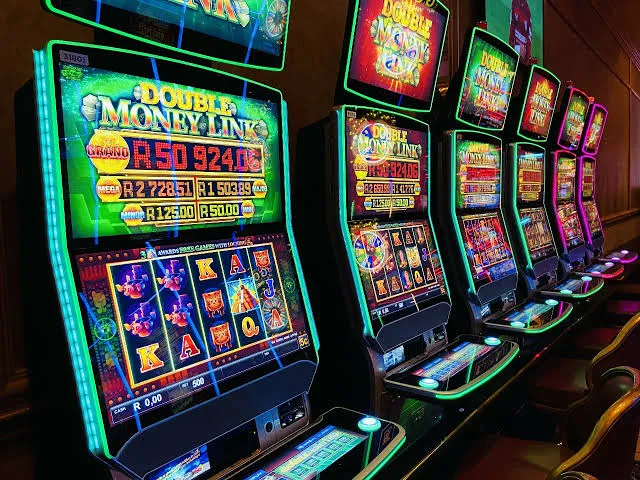
Casino corruption and political influence represent a deeply entrenched dimension of the global illegal gambling economy. In many regions, unregulated gambling networks exploit weak governance, regulatory loopholes, and political connections to sustain operations. These relationships can involve bribery, regulatory capture, and indirect funding channels that blur the line between legal authority and illicit enterprise.
As illegal casinos expand across physical and digital platforms, their interaction with political systems raises concerns about institutional integrity and rule of law. The persistence of such linkages highlights systemic vulnerabilities in governance structures and enforcement mechanisms worldwide.
The Convergence of Gambling and Governance
Illegal gambling operations often survive not merely through concealment, but through influence. In certain environments, operators develop informal relationships with local power structures that enable continued activity despite legal prohibitions.
This convergence creates a blurred boundary between enforcement and tolerance, where gambling networks operate with varying degrees of implicit protection. Over time, these arrangements can normalize illicit activity within governance systems, weakening institutional credibility.
The result is a complex ecosystem where legality is not solely determined by law, but also by influence and access.
Mechanisms of Influence and Regulatory Capture
Casino-related corruption typically manifests through multiple channels. One of the most common is regulatory capture, where oversight bodies become partially influenced by the industries they are meant to regulate.
This may occur through financial incentives, political pressure, or revolving-door employment structures between regulators and private operators. In such cases, enforcement becomes inconsistent or selectively applied.
Bribery and informal payments also play a role in some jurisdictions, allowing illegal operators to avoid shutdowns or secure favorable treatment despite violating gambling laws.
Illegal Gambling as a Political Financing Tool
In some contexts, illegal gambling networks function as unofficial financing mechanisms for political activity. Cash-intensive operations provide a discreet channel for moving funds outside formal accounting systems.
These financial flows can support campaign activities, local influence-building, or patronage networks. Because gambling revenue is difficult to trace in unregulated environments, it becomes an attractive tool for opaque financial structuring.
This intersection between gambling and political finance raises serious concerns about accountability and transparency in governance.
Urban Casinos, Local Power, and Informal Economies
At the local level, underground casinos often interact closely with informal economic systems. In urban environments, they may coexist with small businesses, nightlife industries, and cash-based services.
This proximity can lead to tacit arrangements where enforcement is uneven or selectively applied. In some cases, local actors may benefit economically from the presence of gambling operations, creating resistance to strict enforcement measures.
Such dynamics contribute to the persistence of illegal casinos even in areas with formal legal prohibitions.
Digital Gambling and the Erosion of Oversight
The rise of online illegal gambling has complicated traditional models of political oversight. Unlike physical establishments, digital platforms operate across borders and are less dependent on local permissions.
However, political influence can still manifest indirectly through regulatory delays, weak enforcement priorities, or jurisdictional arbitrage that allows offshore hosting.
This shift demonstrates that while the medium has changed, the underlying governance challenges remain fundamentally similar.
Financial Flows and Hidden Power Structures
Illegal casinos generate substantial cash flows that can be integrated into broader financial systems through laundering mechanisms. Once embedded, these funds may influence real estate markets, business investments, or informal credit systems.
Over time, such financial penetration can create hidden dependencies between illicit gambling networks and legitimate economic actors.
This interdependence complicates efforts to isolate illegal activity without disrupting wider economic ecosystems.
Institutional Weakness and Enforcement Constraints
Weak institutional capacity is a key factor enabling casino-related corruption. Limited investigative resources, fragmented legal systems, and inconsistent enforcement reduce the deterrent effect of gambling laws.
Even when violations are identified, prosecution may be hindered by lack of evidence, jurisdictional limitations, or political interference.
These constraints create a structural environment where illegal gambling can persist despite formal legal prohibitions.
Economic and Governance Risks
The intersection of gambling and political influence introduces broader systemic risks. Economically, it distorts market competition and reduces tax efficiency. From a governance perspective, it undermines trust in regulatory institutions.
When enforcement is perceived as inconsistent or influenced, public confidence in legal systems declines. This erosion of trust can have long-term implications for institutional legitimacy.
Such environments may also discourage foreign investment due to perceived regulatory unpredictability.
Conclusion
Casino corruption and political influence represent a critical intersection between illegal gambling and governance systems. Rather than operating solely in the economic shadow, illegal gambling networks often interact with institutional structures in ways that blur legality and influence.
Addressing these challenges requires not only stronger enforcement, but also greater transparency, institutional reform, and international cooperation. Without these measures, the overlap between gambling and political power will continue to undermine regulatory integrity and economic stability.
Comments